
Last Updated: November 14, 2026
Quick Summary
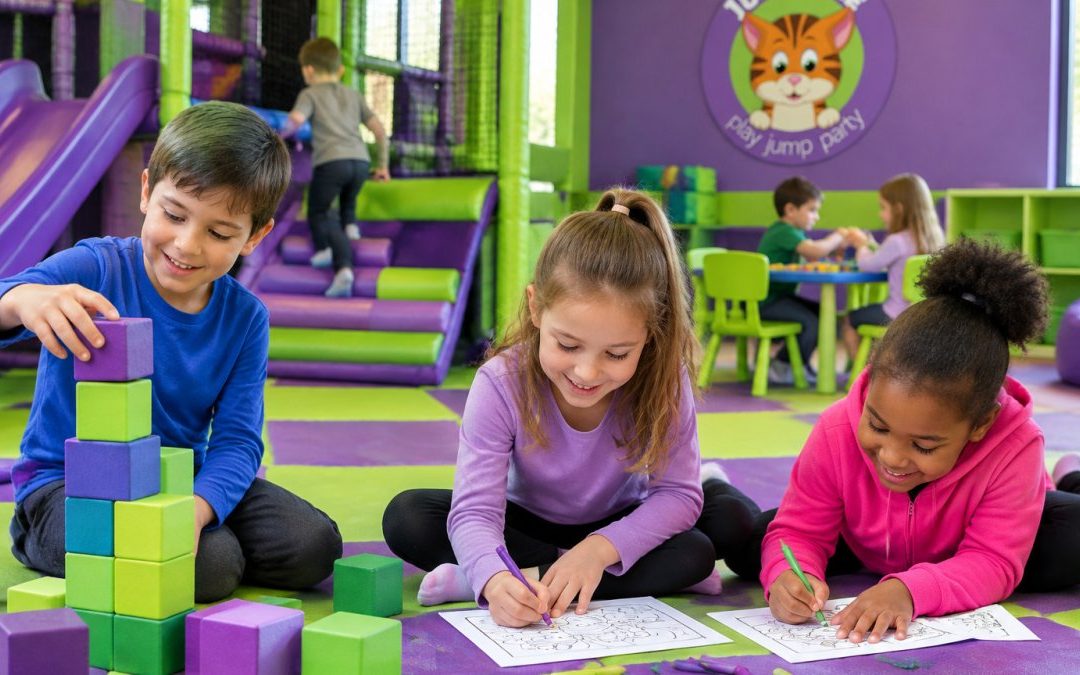
Safe indoor activities for children in Georgia include active play venues with inflatables and soft play areas, hands-on museums, arcades for older kids, and at-home backup plans. Before booking, confirm equipment condition, supervision rules, cleaning routines, and clear age zones. Check hours, complete waivers online, and pick a time slot that matches your child’s energy.
- Ask whether inflatable inspections are logged and whether staff can show the log.
- A 20-minute drive is manageable for a planned outing; 45 minutes needs two or more hours of variety.
- Complete the waiver online before leaving home to save check-in time on busy weekends.
- Toddlers need a dedicated soft play area with clear sightlines, separate from older kids.
- Search results and map listings often show outdated hours, so confirm directly with the venue.
Table of Contents
- Rainy Day Activities for Kids in Georgia
- What Makes an Indoor Play Center for Kids Safe
- Choosing an Indoor Playground for Toddlers
- Finding Safe Indoor Activities for Children Near Me
- Museums, Arcades, and Hands-On Learning Venues
- Age-by-Age Guide to Indoor Play and Supervision
- Planning a Safe Indoor Play Visit at Jump Time
- Frequently Asked Questions
Rainy Day Activities for Kids in Georgia
Georgia weather does not cooperate with outdoor plans. A sudden afternoon storm or a cold snap can wipe out a park trip in minutes, which is why parents keep a short list of safe indoor activities for children in Georgia ready to go. The best indoor outings are the ones you can book fast, confirm the rules for, and leave without a meltdown.
Below, we break down the options by age and safety so you can pick the right one quickly.
Rainy day activities for kids fall into a few reliable categories:
- Active play venues with inflatables, climbing structures, and soft play areas
- Museums and hands-on learning centers with rotating exhibits
- Arcades and family entertainment centers for older kids and teens
- At-home backup plans for days you cannot leave the house
The trick is matching the activity to your child’s energy level and attention span, not just the weather.
What Makes an Indoor Play Center for Kids Safe
Safety at an indoor play center for kids comes down to four things: equipment condition, supervision rules, cleaning routines, and clear age zones. Ask about all four before you pay.
Most parents check the price first and the safety practices never. Flip that order. A venue with commercial-grade equipment is worth a longer drive than one without them.
Here is what to look for:
- Padded surfaces and enclosed play structures that separate toddlers from bigger kids
- Posted capacity limits so the space does not get overcrowded
- A written sanitizing routine, especially after party blocks
- **Staff who enforce rules
The safety questions worth asking before you book
Use these questions on the phone or at the front desk to confirm a venue’s safety:
- Who inspects the inflatables, and how often? Ask whether inspections are logged and whether staff can show the log.
- What is the staff-to-child ratio on the floor? A posted ratio, even a loose one, signals that someone is counting heads.
- How are age zones enforced? Look for posted age and height recommendations at each attraction and staff who actually redirect older kids out of toddler areas.
- What is the cleaning schedule, and what products are used? A written routine with named products and a frequency (between sessions, after parties, end of day) is more credible than a sign that says “clean.”
- What happens when a child is injured? Ask about incident reporting, first-aid training, and whether an AED is on site.
- Are waivers and rules posted online? A venue that publishes its rules before you arrive is usually one that enforces them.
Standards and oversight to know
Ask whether a venue follows voluntary safety standards for play equipment and how it documents compliance. For inflatables specifically, ask about anchoring and whether equipment is rated for indoor commercial use.
If you want to know how a facility actually handles cleanliness, ask directly. You can read how we approach it on our guide to how to sanitize indoor play equipment.
Watch out: a venue that cannot answer basic questions about inspections, ratios, or cleaning is telling you something, treat vague answers as a reason to keep looking, not a reason to lower your standards.
Choosing an Indoor Playground for Toddlers
The best indoor playground for toddlers is one with a dedicated soft play area, low climbing structures, and clear sightlines so you can see your child at all times. Toddlers need their own zone, separate from fast-moving older kids.
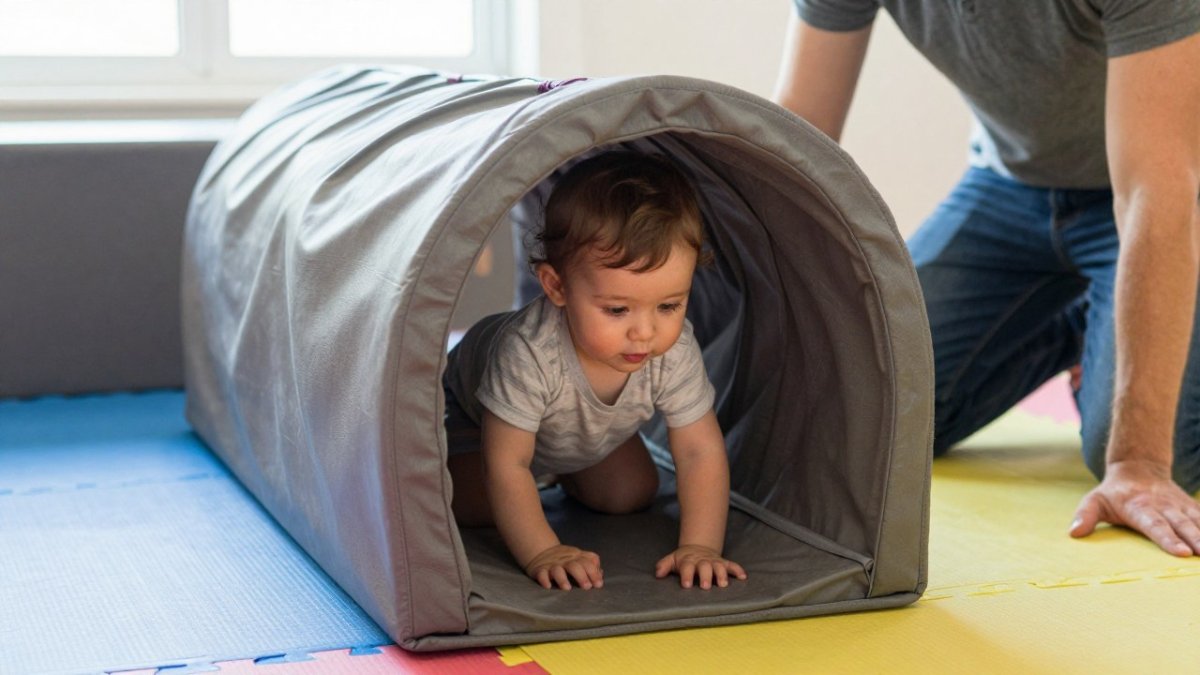
Age separation matters more than most parents expect. A three-year-old sharing space with an eight-year-old on the same inflatable is a recipe for bumps and tears. Look for venues that post age recommendations.
Other toddler-friendly features worth checking:
- Soft foam flooring or mats under climbing areas
- Low slides sized for small bodies
- A quiet corner for kids who need a break from the noise
- Restrooms with changing tables nearby
You can see our toddler indoor playground near me setup for our youngest guests.
Finding Safe Indoor Activities for Children Near Me
Searching for safe indoor activities for children near me works best when you filter by three things: drive time, age fit, and whether you need a reservation. Checking hours and booking details online before you go saves a wasted trip. Once you’ve narrowed down a nearby option and checked its hours, keeping screen free activities in mind can help you plan a relaxed day at home when going out doesn’t fit.
Start with your radius. A 20-minute drive is manageable for a planned outing. A 45-minute drive only makes sense if the venue has enough variety to fill two or more hours.
Then confirm the practical details before you leave:
- Hours and last entry time, since many venues stop admitting guests before closing
- Whether walk-ins are accepted or reservations are required
- Waiver requirements, which many play centers now handle online
- Food options, either on site or nearby
For local families, check current indoor play area hours near me before heading out.
A five-minute verification checklist
Before you commit to a drive, run this checklist against the venue’s website or a quick phone call:
- Confirm today’s hours and last entry. Holiday hours and private party blocks are the two most common reasons a family gets turned away.
- Check the age policy. Some venues cap admission by age or height, and toddler zones often have their own rules.
- Complete the waiver online if offered. This is the single biggest time-saver at check-in on weekends.
- Ask about socks and shoes. Most indoor play areas require socks for kids and adults; some sell them at the desk.
- Confirm food and drink rules. A full kitchen on site changes your planning; a no-outside-food policy changes it again.
- Ask about sensory considerations. Noise levels, lighting, and crowd size vary widely by time of day. A weekday morning is usually calmer than a Saturday afternoon.
- Note the address and parking. Confirm the entrance and where to park, especially for venues inside larger buildings.
How to compare options across a region
A useful approach is to organize candidates by region and by the job they do, so you can pick the closest option that fits the day:
- Active play venues, inflatables, climbing structures, soft play areas. Best for burning energy on rainy or cold days.
- Museums and hands-on learning centers, best for curious kids and longer visits.
- Arcades and family entertainment centers, best for tweens and teens.
- Libraries and community centers, low-cost or free options with story time and indoor programming.
- At-home backup plans, for days you cannot leave the house.
For each candidate, note drive time, age fit, whether reservations are required, and whether food is available. A simple four-column list makes the decision obvious in under a minute.
Watch out: search results and map listings often show outdated hours, especially after holidays. Confirm directly with the venue before a long drive, and treat a phone call as faster than a website contact form.
Museums, Arcades, and Hands-On Learning Venues
Museums and arcades round out the indoor activity list, and they suit different ages than active play venues. Hands-on children’s museums work well for curious kids who like to build, touch, and experiment.
A few reliable formats:
- Children’s museums with interactive exhibits and story time programming
- Science and discovery centers with rotating hands-on stations
- Arcades and game rooms for older kids and family competitions
- Cultural and historic sites with indoor exhibits for quieter afternoons
The trade-off is time. Museum visits tend to run longer and cost more per hour than a play session, so plan around nap schedules and attention spans. Arcades can get expensive fast if you do not set a game budget upfront.
For families who want active play instead of walking through exhibits, an indoor play center for kids delivers more movement in less time. That matters on days when the goal is burning energy, not learning facts.
Age-by-Age Guide to Indoor Play and Supervision
Supervision needs change fast as kids grow, and the right indoor activity shifts with each stage. Here is a practical breakdown.
| Age Group | Best Activity Type | Supervision Level | Watch For |
|---|---|---|---|
| Under 2 | Soft play area, sensory corners | Arm’s length at all times | Mouthing small parts, overstimulation |
| Ages 2-4 | Toddler playground, low inflatables | Within sight, active spotting | Crowding by older kids, fatigue |
| Ages 5-7 | Inflatable slides, obstacle courses | Check in every few minutes | Risky climbing, dehydration |
| Ages 8-12 | Arcades, climbing structures, group games | Periodic check-ins, set meeting points | Rough play, losing track of time |
| Teens | Arcades, supervised evening events | Confirm venue supervision policy | Unstructured downtime, exit points |
Every facility sets its own rules, and reading them before you arrive prevents most problems. Our jump rules page explains the rules for visits.
Stay close with toddlers, and set a clear meeting spot with older kids.
Planning a Safe Indoor Play Visit at Jump Time
A smooth visit starts with three steps: check the hours, complete waivers online, and pick a time slot that matches your child’s best energy window. Doing this ahead of time removes almost every source of stress.
Jump Time is a family-owned indoor play center in Villa Rica. We offer bounce houses, obstacle courses, inflatable slides, an indoor play structure, and a toddler soft play area, all inside a climate-controlled facility.
What to do before you arrive:
- Check current pricing on our pricing page or request a quote before you arrive.
- Complete your waiver online, available around the clock through our booking system.
- Book your time slot in advance, especially on weekends and school holidays.
- Dress kids in socks and comfortable clothes for active play.
- Plan your party early if you are booking a birthday.
Watch out: arriving without a completed waiver during a busy weekend block can add real time to your check-in. Fill it out from your phone before you leave the house.
For families planning a celebration, we host birthday parties with multiple package options and party rooms. Booking is available online 24/7.
Rainy days and cold snaps will keep coming, and the difference between a stressful afternoon and a great one is usually planning.
Frequently Asked Questions
What are some of the best indoor activities to do in Georgia?
Georgia offers indoor play centers with inflatables and soft play areas, children’s museums with hands-on exhibits, arcades, and indoor skating rinks. For families in Villa Rica and Metro Atlanta, climate-controlled play venues let kids burn energy rain or shine. Look for facilities with age-specific zones, visible supervision, and clear safety rules so younger children and older siblings each get an appropriate space to play.
How can I tell whether an indoor play center is safe for my child?
Start with a quick walk-through: check that equipment is commercial-grade and well maintained, that toddler areas are padded and separated from bigger-kid zones, and that staff supervise open play. Ask how often surfaces and inflatables are cleaned, whether waivers are required, and what the injury response procedure is. A venue that answers these questions clearly and keeps rules posted is usually a good sign.
What should I bring to an indoor play center?
Bring grip socks if the venue requires them, a water bottle, and a change of clothes for toddlers. Pack hand sanitizer and wipes for quick cleanups, and keep valuables minimal since you will be moving between play zones. If your child has sensory sensitivities, ask ahead about quieter areas and lower-traffic times so the visit stays comfortable for everyone.
How do I choose an indoor activity that suits different ages?
Match the venue to your youngest and oldest child. Toddlers need padded soft play and close supervision, while school-age kids want obstacle courses and active play. Venues with separate zones, like a dedicated toddler area alongside inflatables for older children, let a wide age range visit together without older kids overrunning the little ones. Check age and height guidance before booking.

Recent Comments