
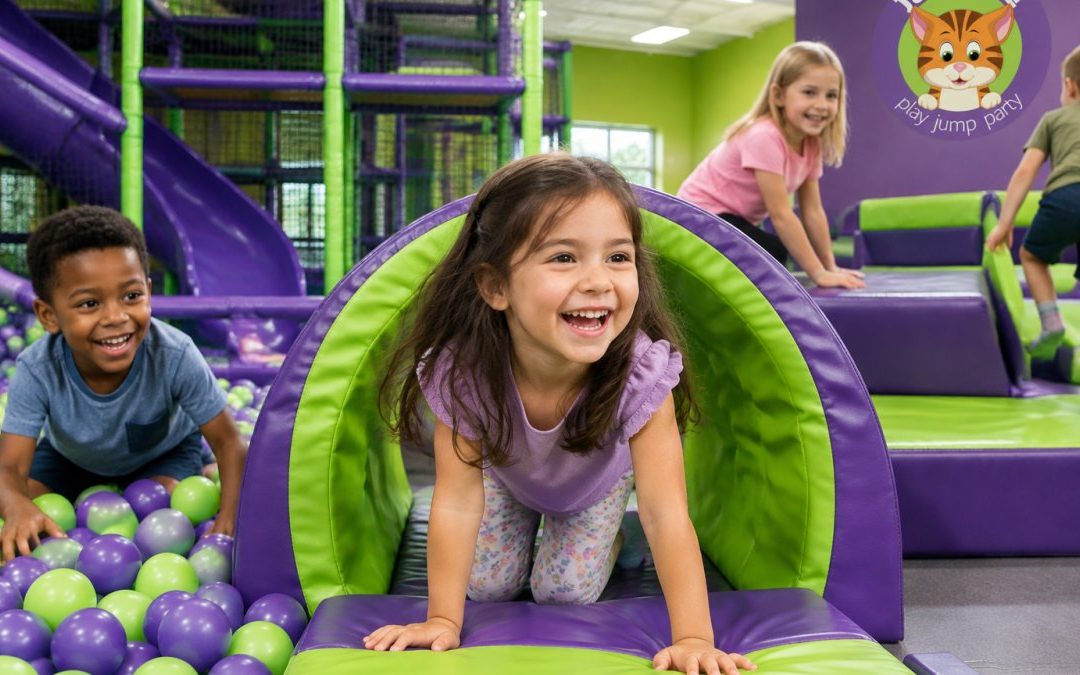
Last Updated: November 17, 2026
Quick Summary
Indoor play centers are worth the drive when the round trip does not exceed the time your kids actually play, so a 30-minute drive each way justifies a two-hour session. Variety, cleanliness, and parent seating make a longer trip pay off.
- A 40-minute drive each way plus two hours of play adds up to four hours for one outing.
- Keep the round trip shorter than or equal to your kids’ actual play time.
- Arriving in the first hour after opening means shorter check-in lines and first pick of seating.
- Complete waivers online before you drive so check-in is a scan, not a clipboard session.
- Holiday weekends and school breaks can add 15-20 minutes to a drive that looks short on a map.
Table of Contents
- What Makes an Indoor Play Center Worth the Drive?
- Indoor Playground for Kids: What to Expect at a Quality Facility
- Indoor Play Places for Toddlers Near Me: Finding Age-Appropriate Spaces
- Clean Indoor Play Places for Kids: Why Cleanliness Matters
- Indoor Play Center Birthday Parties: Planning a Stress-Free Celebration
- Drive-Time and Route Planning: Making the Trip Count
- Total Cost and Visit Value: What to Budget For
- Accessibility and Sensory Needs: Making Play Inclusive
- Frequently Asked Questions
What Makes an Indoor Play Center Worth the Drive?
Indoor play centers are worth the drive when the trip delivers more than one activity, fits your child’s age and energy level, and costs less per hour of play than staying home and improvising. Families from across the region often weigh exactly this question before loading the car.
Here is the honest math. A 40-minute drive each way is 80 minutes of car time. If your kids play for two hours, you have spent four hours on a single outing. That trade only works when the facility offers variety, cleanliness, and enough seating that parents can actually rest. Below, we break down what separates a destination worth the trip from a spot that leaves you wondering why you bothered.
Indoor Playground for Kids: What to Expect at a Quality Facility
A quality indoor playground for kids combines active play equipment, a clear layout, and visible supervision. The best facilities separate age groups so toddlers are not dodging older kids, and they keep sightlines open so parents can track their children from a seat.
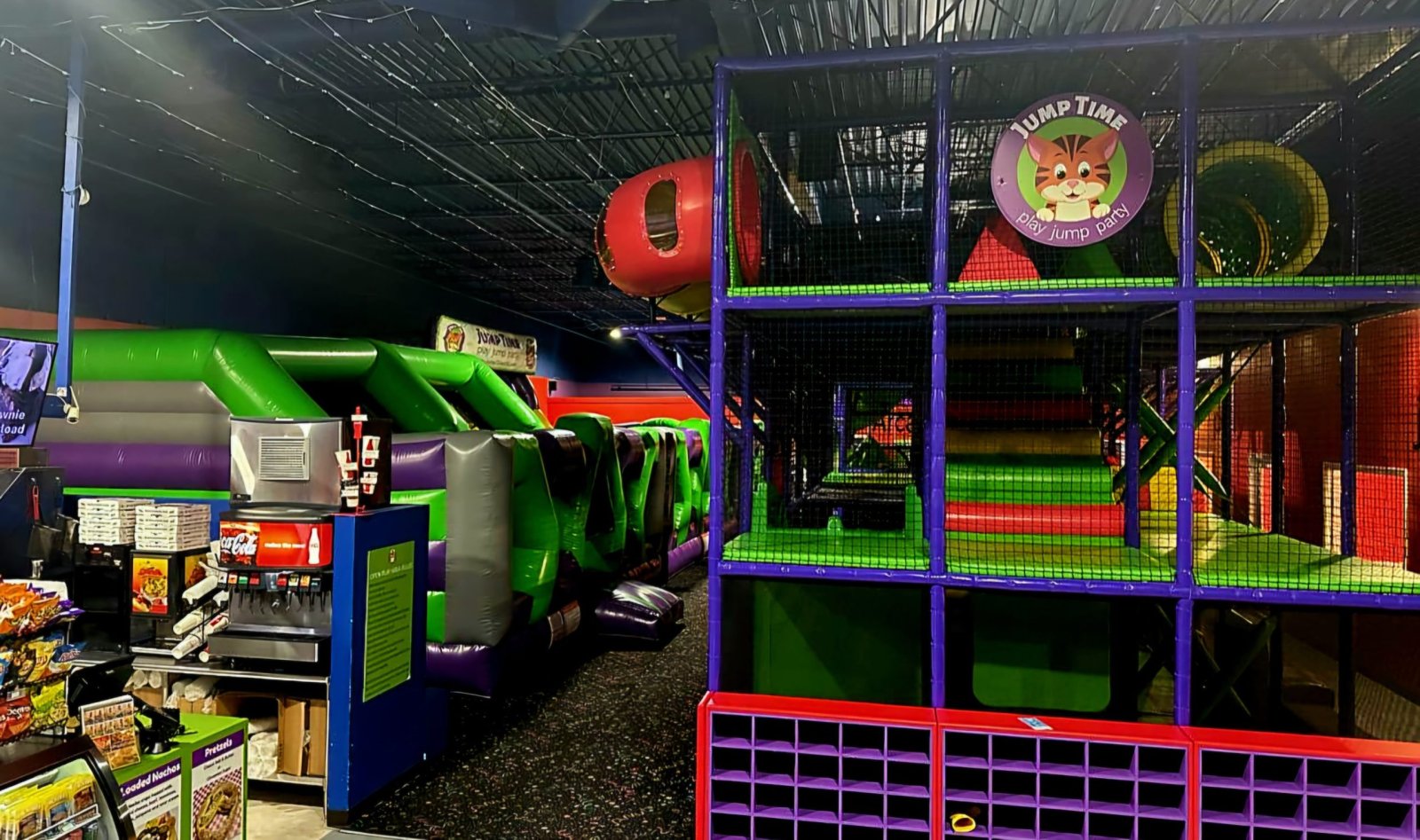
Walk into a facility and look at three things before you pay. First, the floor plan: can you see your child from the seating area? Second, the equipment condition: are inflatables taut and clean, or sagging at the seams? Third, the crowd: is there a posted capacity, or does it feel oversold?
Play Structures, Slides, and Climbing Features
Play structures carry most of the value at any indoor playground. Look for padded climbing frames with netting, inflatable slides with proper landing zones, and obstacle courses that let kids move in a loop rather than standing in one line.
Variety matters more than size. A single giant slide entertains a child for ten minutes. A layout with slides, tunnels, and climbing walls keeps a group busy for two hours, which is what makes a longer drive pay off.
Arcade Games and Interactive Play
Arcade games extend a visit beyond active play, especially for older siblings who outgrow the inflatables. Air hockey and foosball work well because two kids can play together without a screen. Interactive play areas also give families a natural break point between active stretches.
Indoor Play Places for Toddlers Near Me: Finding Age-Appropriate Spaces
The right indoor play places for toddlers near me searches come down to one filter: dedicated toddler zones. A facility that mixes toddlers into the main play floor creates stress for everyone. A separate soft play area lets little ones move at their own pace while parents stay close.
When you call ahead, ask two questions. Is there a gated toddler area? Is it padded from wall to wall? If the answer to either is no, keep looking.
Soft Play Areas and Developmental Toys
Soft play areas should be built for falling. Look for low foam steps, rounded edges, small slides, and soft climbing blocks sized for kids under three. Developmental toys, stacking blocks, and sensory panels add quiet engagement for children who need a break from running.
Families in and around Villa Rica can check our indoor play areas for toddlers to see the dedicated soft play space before making the trip.
Clean Indoor Play Places for Kids: Why Cleanliness Matters
Clean indoor play places for kids share one habit: visible cleaning between sessions. Inflatable surfaces, ball pits, and climbing nets collect germs fast, and a facility that cleans only at closing time is a facility your child plays in all day at its dirtiest.
Watch for staff wiping down high-touch surfaces during open hours. Ask how often equipment gets a full clean. A straightforward answer is a good sign; a vague one is not.
Safety Practices and Equipment Maintenance
Safety and cleanliness are the same conversation. Inflatable equipment needs anchoring checks, blower inspections, and seam repairs. Climbing structures need padding checks and hardware tightening. Ask whether staff hold current playground safety guidelines from the Consumer Product Safety Commission as a reference point for maintenance schedules.
Our team follows a set cleaning routine between sessions, and you can read more about how often indoor play centers should be cleaned on our site.
Indoor Play Center Birthday Parties: Planning a Stress-Free Celebration
Booking an indoor play center birthday party removes the two hardest parts of hosting: entertaining the kids and cleaning up afterward. The best party venues handle setup, food, and cleanup so parents can actually enjoy the event. With setup and cleanup off their plate, parents can focus on choosing indoor kids party venues that make the drive worthwhile for the whole family.
Jump Time offers party rooms seating up to 35 guests each, with online booking and waivers available around the clock. For a family planning a party with a wide age range, that room capacity matters.
If you are mapping out the details, our guide on how to plan stress-free kids birthday parties walks through the timeline step by step.
| Party Planning Step | Timing | What to Confirm |
|---|---|---|
| Pick a date and time | 4-6 weeks out | Room availability, guest count |
| Send invitations | 3-4 weeks out | Age range, RSVP deadline |
| Submit waivers | 1 week out | Online form for each child |
| Confirm food and cake | 1 week out | Allergies, serving time |
| Arrive early | 15 minutes before | Check-in, room setup |
Drive-Time and Route Planning: Making the Trip Count
The keyword is about the drive, so treat travel time as a real budget item rather than an afterthought. A workable rule most families land on: the round trip should not exceed the time your kids will actually play. Under that rule, a 30-minute drive each way (one hour in the car) justifies a two-hour play session, while a 50-minute drive each way needs closer to three hours on the floor to feel worthwhile.
Build the day backward from arrival. Work out your target play window first, then subtract check-in time (10-15 minutes on a busy weekend), then subtract the drive. If the math leaves less than 90 minutes of play, either shorten the drive or plan a longer visit.
Route planning specifics that actually change the trip:
- Pick your window deliberately. Weekend mid-mornings usually move faster than early afternoons, and arriving in the first hour after opening means shorter check-in lines and first pick of seating.
- Know the parking situation before you leave. Confirm whether the lot is free, whether weekend overflow parking exists, and how far the walk is from the car to the door, that walk matters with a toddler and a diaper bag.
- Plan the arrival ritual. Have waivers completed online before you drive so check-in is a scan rather than a clipboard session.
- Pack for the ride, not just the visit. Water and a snack in the car prevent the hungry-and-cranky arrival that shortens visits.
- Make the drive do double duty. Pair the play session with a meal or an errand near the venue so a longer drive buys more than one stop.
Watch out: holiday weekends and school breaks can add 15-20 minutes to a drive that looks short on a map, so leave a buffer rather than cutting the play window to compensate.
Families coming from a distance often turn the visit into a half-day outing that includes a play session and lunch. If you are weighing whether the trip is worth it, our indoor playground guide shows what a full visit includes so you can estimate how long your kids will actually stay busy.
Total Cost and Visit Value: What to Budget For
Admission is the number families see first and the number that misleads them most. The real cost of an indoor play visit is admission plus everything the venue makes easy to buy once you are inside. Budget in four lines:
| Cost Line | What to Plan For | How to Control It |
|---|---|---|
| Admission | Per-child pricing, with adults usually free or reduced | Check current rates on our pricing page before you commit |
| Food and drink | A full kitchen means lunch is one stop instead of two | Set a per-family food budget before arrival |
Two structural choices shape the cost of a visit: how long you stay, and whether food is available on site. Venues with a full kitchen let you buy lunch on site, so plan for that rather than treating it as an unplanned extra.
Birthday parties are their own budget line. Room capacity, guest count, and included food all move the total, so confirm what is bundled before comparing packages. Our guide on how to plan stress-free kids birthday parties breaks down what to confirm at booking.
Accessibility and Sensory Needs: Making Play Inclusive
Not every child thrives in a loud, busy play space. Families with sensory-sensitive children should ask about quieter areas, lower-volume hours, and spaces where a child can step away and reset.
Jump Time has a toddler soft play area dedicated to our youngest guests.
For families planning around sensory needs, our page on sensory activities for sensory-sensitive children covers what to look for in a play environment.
The drive only pays off when the destination delivers real variety, visible cleanliness, and space for every age in your group. Jump Time is family owned and operated, with a climate-controlled facility, commercial-grade inflatables, a dedicated toddler soft play area, and four party rooms seating up to 35 guests each. Online booking and waivers are open 24/7, so you can plan the trip on your schedule. Get started with Jump Time and turn a long drive into a day your kids talk about for weeks.
Frequently Asked Questions
What makes an indoor play center worth the drive?
An indoor play center is worth the drive when it offers clean, age-appropriate equipment, safety measures, and enough variety to keep kids engaged for hours. Consider drive time against total visit value: a facility with toddler soft play, climbing structures, and a café for parents can justify a longer trip. Check online reviews for cleanliness and safety, and confirm hours and admission policies before you go.
How do I find an indoor play place that works for toddlers and older kids?
Look for indoor play places for toddlers near me that have separate soft play areas for little ones and more challenging structures for older children. A good facility zones its space by age, so toddlers can explore safely while bigger kids climb and slide. Call ahead to ask about age restrictions, supervision policies, and whether there are quiet areas for children who need a break.
What should parents look for in a clean indoor play center?
Prioritize clean indoor play places for kids that publish their cleaning schedule and sanitize high-touch surfaces regularly. Ask how often equipment is wiped down, especially after birthday parties. Look for visible hand-sanitizing stations, clean restrooms, and staff who actively tidy during open play. Reviews mentioning cleanliness and safety practices are a good sign.
How long should a family plan to stay at an indoor play center?
Most families stay two to three hours, but it depends on the child’s age and the facility’s offerings. Toddlers may tire after 90 minutes, while older kids can play longer if there are arcade games or multiple play structures. Check if the venue allows re-entry, and plan around nap schedules. Bring snacks or confirm café options to avoid cutting the visit short.

Recent Comments